Brick Walls vs. Stone Walls: Choosing the Right Material
People seeking brick wall or stone wall construction are usually aiming to build durable, attractive boundaries or features, and local contractors can help select and install the right material for their needs.
Deciding between brick walls and stone walls is a common consideration for property owners looking to enhance their property’s appearance and functionality. Whether it’s for a boundary, a decorative feature, or structural support, understanding the differences in materials can help make an informed choice. Property owners in the area often explore this topic to ensure their investment aligns with their aesthetic preferences, durability needs, and maintenance expectations. Local contractors specializing in brick and stone wall construction can provide valuable insights and expertise, helping to bring ideas to life with the right material selection.
As this decision impacts both the look and longevity of a property, it’s important to weigh practical factors such as style, strength, and upkeep. Brick walls tend to offer a classic, clean appearance with manageable maintenance, while stone walls provide a natural, timeless appeal with exceptional durability. Exploring these options with experienced service providers can clarify which material best suits specific goals and site conditions. Keep reading to discover key differences and practical considerations that can guide the choice between brick and stone walls, ensuring the right fit for any property project.
- Brick wall construction - ideal for those seeking a classic, durable barrier that enhances curb appeal and requires minimal maintenance, with local contractors skilled in traditional masonry techniques.
- Stone wall construction - suitable for creating natural-looking, long-lasting structures in areas where strength and aesthetics are priorities, with service providers experienced in selecting and fitting various stone types.
- Brick wall services - often needed for residential or commercial projects aiming for a timeless look, with local pros focusing on proper mortar application and structural stability.
- Stone wall services - used for retaining walls or decorative features, with local contractors emphasizing proper foundation work and stone selection to ensure longevity.
- Comparing brick vs. stone walls - helps homeowners decide based on durability, appearance, and project requirements, with local service providers offering guidance tailored to specific needs.
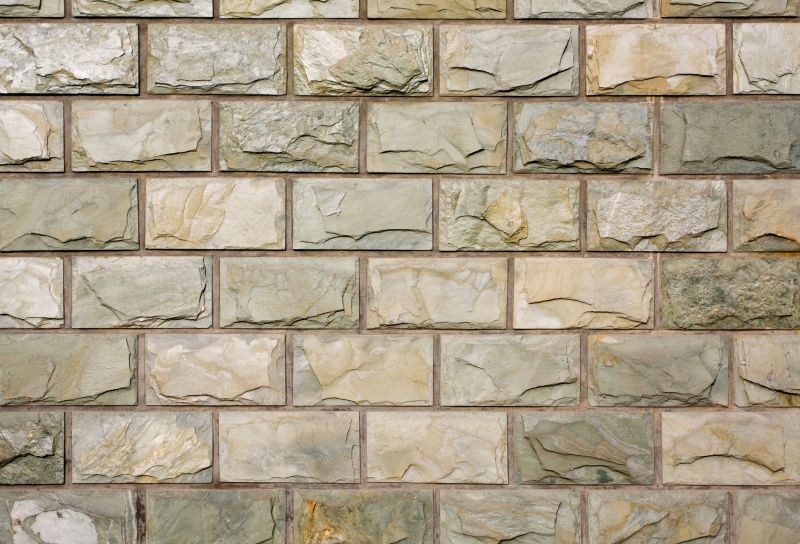
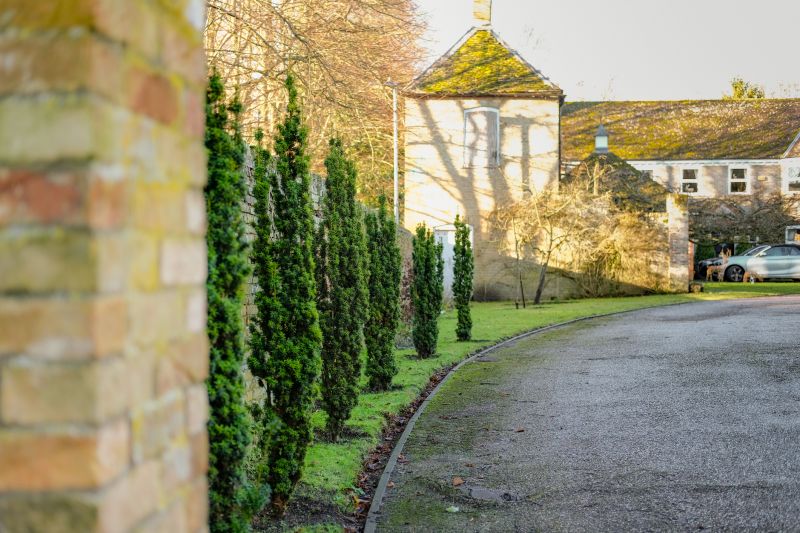
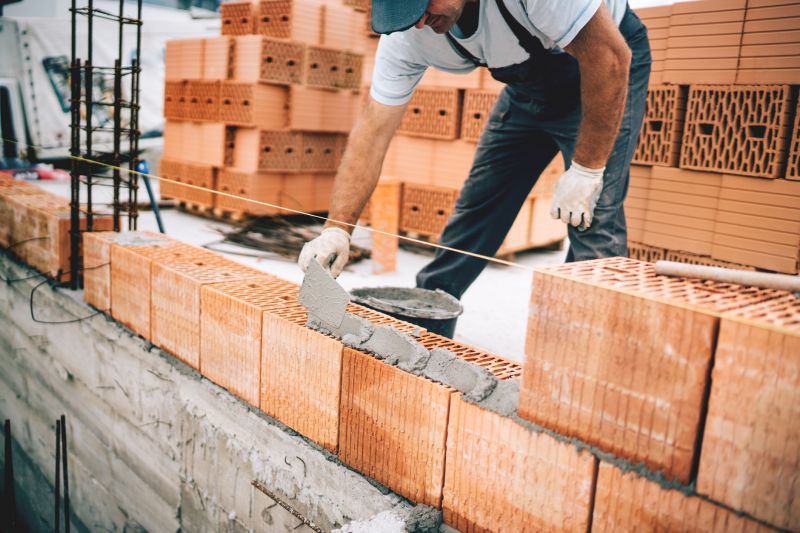
When homeowners search for information about brick walls versus stone walls, they are often considering options for property boundaries, decorative features, or structural elements. This topic is commonly explored in the context of planning outdoor projects such as garden enclosures, retaining walls, or exterior facades. Many property owners want to understand the differences in appearance, durability, and maintenance requirements between these materials to ensure their choices align with their property's style and long-term needs. The decision often ties into broader plans to enhance curb appeal, improve privacy, or create a sturdy foundation for landscaping, making it essential to consider how each material performs over time and fits within the property's overall design.
Problems and plans related to this topic frequently involve choosing the right material for specific property types and environmental conditions. For example, some homeowners may need a wall that withstands harsh weather or soil pressure, while others seek a visually cohesive look that complements the property's architecture. Common projects include building retaining walls to prevent erosion, constructing boundary walls for privacy, or creating decorative features that add character. Understanding the strengths and limitations of brick versus stone helps property owners make informed decisions that support their goals, whether that means prioritizing longevity, aesthetic appeal, or ease of maintenance.
The types of properties that often come up in discussions about brick walls versus stone walls include residential homes, historic properties, and commercial buildings. Residential properties frequently feature brick or stone for boundary walls, patios, or accent features. Historic homes may require stone walls to match original construction styles, while newer properties might opt for brick due to its versatility and traditional look. Commercial properties, such as retail centers or office complexes, often incorporate brick or stone for durability and aesthetic consistency. Local contractors experienced in brick and stone wall construction can help assess the specific property needs, recommend suitable materials, and deliver results that align with the property's style and functional requirements.
Choosing between brick walls and stone walls involves understanding practical considerations alongside aesthetic preferences. Brick walls tend to be more uniform in appearance, easier to install, and often more cost-effective, making them popular for straightforward boundary or decorative purposes. Stone walls, on the other hand, offer a natural, textured look that can add a sense of permanence and character to a property. They are typically more durable and better suited for retaining structures or areas exposed to heavy weather. Connecting with experienced service providers ensures that property owners receive guidance on the best material choice based on the property's specific conditions, project goals, and style preferences, helping to achieve a durable and visually appealing result.
Masonry Restoration Projects - restoring historic brick or stone structures requires skills similar to new wall construction, making local contractors a valuable resource for preservation work.
Retaining Wall Installations - building retaining walls with brick or stone involves planning and material selection skills relevant to choosing the right wall type for your project.
Fireplace and Chimney Construction - creating durable brick or stone fireplaces demands expertise in masonry techniques that align with the requirements of brick wall or stone wall projects.
Landscape Wall Building - designing and constructing decorative or functional landscape walls involves similar planning and material handling as residential wall projects.
Facade Renovation Services - updating building exteriors with brick or stone facades requires knowledge of materials and structural considerations comparable to wall construction.
Outdoor Kitchen and Bar Installations - constructing masonry features like outdoor kitchens involves skills that overlap with those needed for brick and stone wall projects.
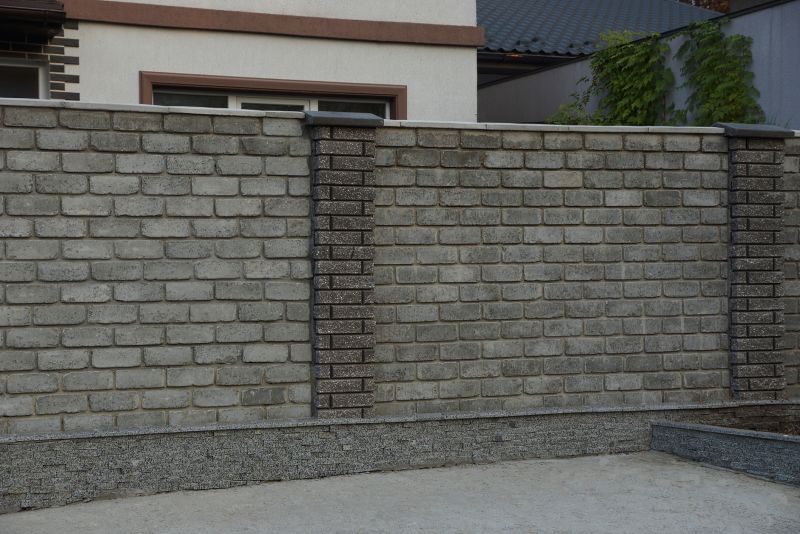
When evaluating local contractors for brick wall or stone wall construction, experience with similar projects is a key factor to consider. Homeowners should inquire about the types of walls the service providers have built in the past, paying attention to whether they have handled projects involving the specific materials-brick or stone-that are being considered. Contractors with a proven track record in constructing durable, well-structured walls using these materials are more likely to understand the nuances of each, such as the appropriate mortar, foundation requirements, and aesthetic considerations. Requesting clear, written expectations about the scope of work and the materials to be used can help ensure that both parties are aligned from the start, reducing the risk of misunderstandings down the line.
Reputable references are an essential part of comparing local contractors for brick or stone wall projects. Homeowners should ask for a list of recent clients who had similar work completed and follow up to learn about their experiences. This feedback can provide insights into the contractor’s reliability, craftsmanship, and ability to meet project expectations. Additionally, reputable service providers tend to be transparent and willing to share examples of completed projects, which can help homeowners assess the quality of their work. Gathering this information helps establish confidence that the contractor has a history of successful projects and satisfied clients, which is especially important when choosing between brick walls versus stone walls.
Effective communication is vital when selecting a contractor for brick or stone wall construction. Homeowners should prioritize service providers who are clear, responsive, and willing to answer questions about material options, design choices, and construction processes. Good communication ensures that expectations are well understood and that any concerns or adjustments can be addressed promptly. This level of dialogue can also help clarify the differences between brick walls and stone walls, including maintenance considerations and aesthetic preferences, enabling homeowners to make an informed decision. Ultimately, working with a contractor who values transparency and open communication helps foster a smooth project experience and increases the likelihood of achieving a result that aligns with the homeowner’s vision.
Property owners often search for brick walls vs. stone walls: choosing the right material when they are planning practical projects around their homes and businesses. Local pros provide Brick Wall or Stone Wall Construction services for everyday jobs and straightforward project options.
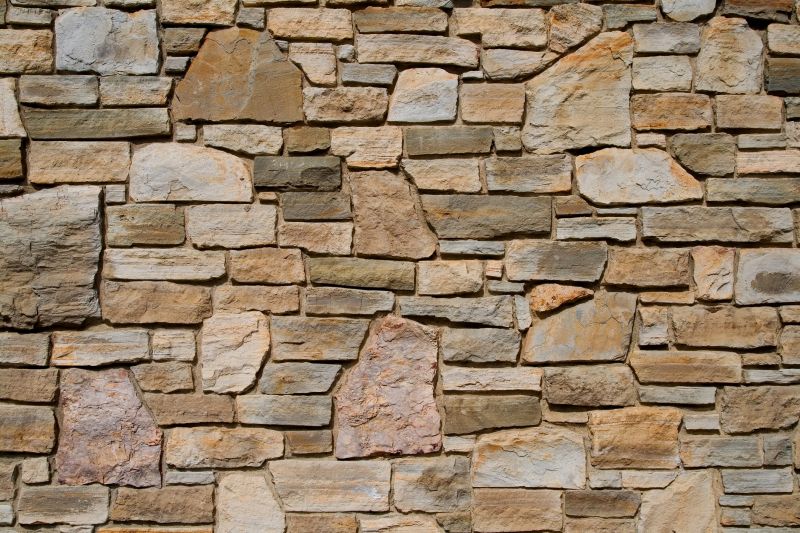
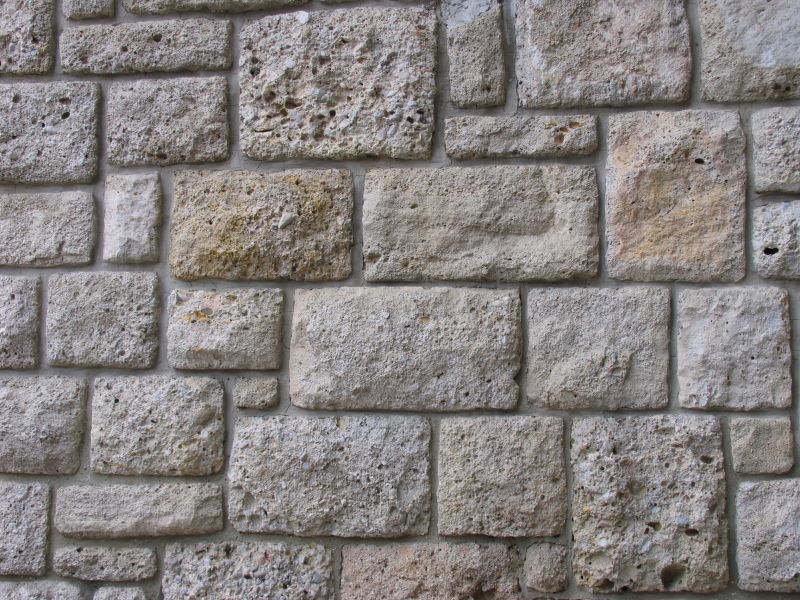
When considering a new wall for a property, many property owners in the area look into the differences between brick walls and stone walls to determine which material best suits their needs. Brick walls are often chosen for their classic appearance, ease of installation, and lower maintenance requirements, making them a popular choice for boundary walls or garden enclosures. On the other hand, stone walls are valued for their durability, natural aesthetic, and ability to withstand harsh weather conditions, which can be important for retaining walls or decorative features. Property owners frequently seek out local contractors experienced in both materials to help them weigh factors like style, longevity, and overall fit for their outdoor spaces.
For those exploring options for constructing or upgrading walls, connecting with local service providers who specialize in brick wall and stone wall construction can help clarify which material aligns best with their project goals. These professionals can offer insights into the advantages and limitations of each choice based on the specific site conditions and design preferences. Whether aiming for a traditional brick appearance or a more natural stone look, property owners can find experienced local contractors ready to assist in bringing their vision to life with the right material for the setting.
What are the main differences between brick walls and stone walls? Brick walls are typically made from fired clay bricks and offer a uniform appearance, while stone walls use natural stones, providing a more rustic and varied look. Local contractors can help determine which material suits specific aesthetic and structural needs.
Which material is more durable: brick or stone? Generally, stone walls tend to be more durable and resistant to weathering compared to brick walls. Service providers can assess the local climate and site conditions to recommend the best option for longevity.
Are brick walls easier to maintain than stone walls? Yes, brick walls usually require less maintenance and are easier to clean, whereas stone walls may need periodic inspection for mortar or joint repairs. Local construction experts can advise on maintenance requirements based on the chosen material.
How do the construction processes differ between brick and stone walls? Building a brick wall involves laying uniform bricks with mortar, while stone walls often require fitting irregular stones and more skilled craftsmanship. Local pros can handle either method effectively, depending on the project scope.
Which material is better suited for a specific architectural style? Brick walls are common in traditional and colonial designs, whereas stone walls are often used in rustic or historic styles. Experienced local contractors can help select the material that complements the desired aesthetic.
Material Durability - Property owners can consider how brick and stone walls withstand weather and time when planning outdoor features or boundary walls with local contractors.
Design and Style - Choosing between brick and stone can influence the aesthetic of a property, whether for a garden wall or facade enhancement, with local pros providing style options.
Maintenance Needs - Understanding the upkeep required for brick versus stone walls helps property owners select the right material for long-term care, supported by local construction specialists.
Project Scope and Location - The choice of material may depend on the project's size and environment, with local contractors advising on the best options for different settings.
If you are thinking about brick walls vs. stone walls: choosing the right material for a property, this guide is meant to help you understand this topic, the typical project types, and how different options might fit your plans.
When you are ready, you can use the quote form on this page to share a few details about your project. From there, local pros can review the basics and follow up with options that match what you have in mind.